Nupélia Ichthyological Collection (NUP)
Biological collections are composed of specimens or lots of specimens that are assigned catalog numbers, which remain linked to them permanently. Each lot contains information regarding the scientific name of the species, its classification, its status (whether it is a research voucher, type material, or comparative material), as well as collection data, such as the name and date of the collection site, municipality, geographic coordinates, and the name of the collector.
Nupélia has an ichthyological collection with more than 25,000 lots, each of which may contain from one to over 100 fish specimens, representing different localities, primarily from the Paraná and Paraguay river basins, but also from various other Brazilian basins and other American countries.
The collection is most representative of the Brazilian states of Goiás, Mato Grosso, Mato Grosso do Sul, São Paulo, and especially Paraná, among other less represented states, totaling more than 600 species. All material is available to the scientific community. Loans, exchanges, and other transactions have been carried out with different institutions in Brazil and abroad for more than three decades. Most of the Collection is preserved in 70°GL ethanol, but there is also cleared and stained material, as well as skeletons and tissues for molecular analyses.
The entire cataloged database of the Collection is available in frequently updated online databases, such as speciesLink, SiBBr, and GBIF. A section of freshwater fish eggs and larvae, from Nupélia’s Ichthyoplankton Laboratory, which houses the early developmental stages of various fish species from our ichthyofauna, has been incorporated into the Ichthyological Collection and can be accessed in the same way.
The Collection is accredited as a certified repository by the Genetic Heritage Management Council (CGEN), of the Ministry of the Environment.
Systematics
Freshwater Fish Conservation
Dr. Cláudio Henrique Zawadzki (Researcher)
Dr. Weferson Júnio da Graça (Researcher)
Marli Cristina Campos (Technician)
Undergraduate and Graduate Students (PEA/PGB/UEM)
+55 (44) 3011-4632
+55 (44) 3011-5997
+55 (44) 3011-5218
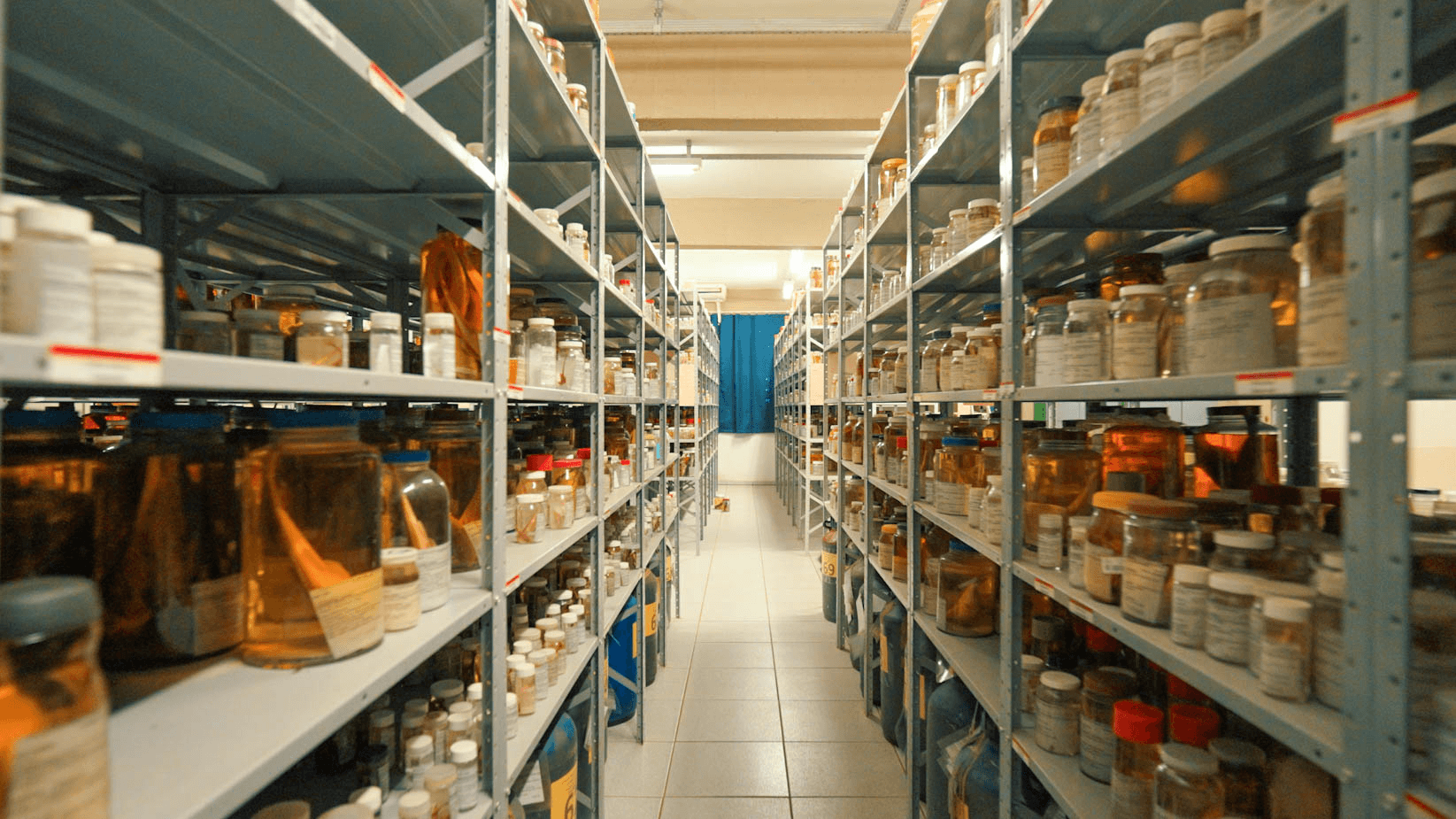
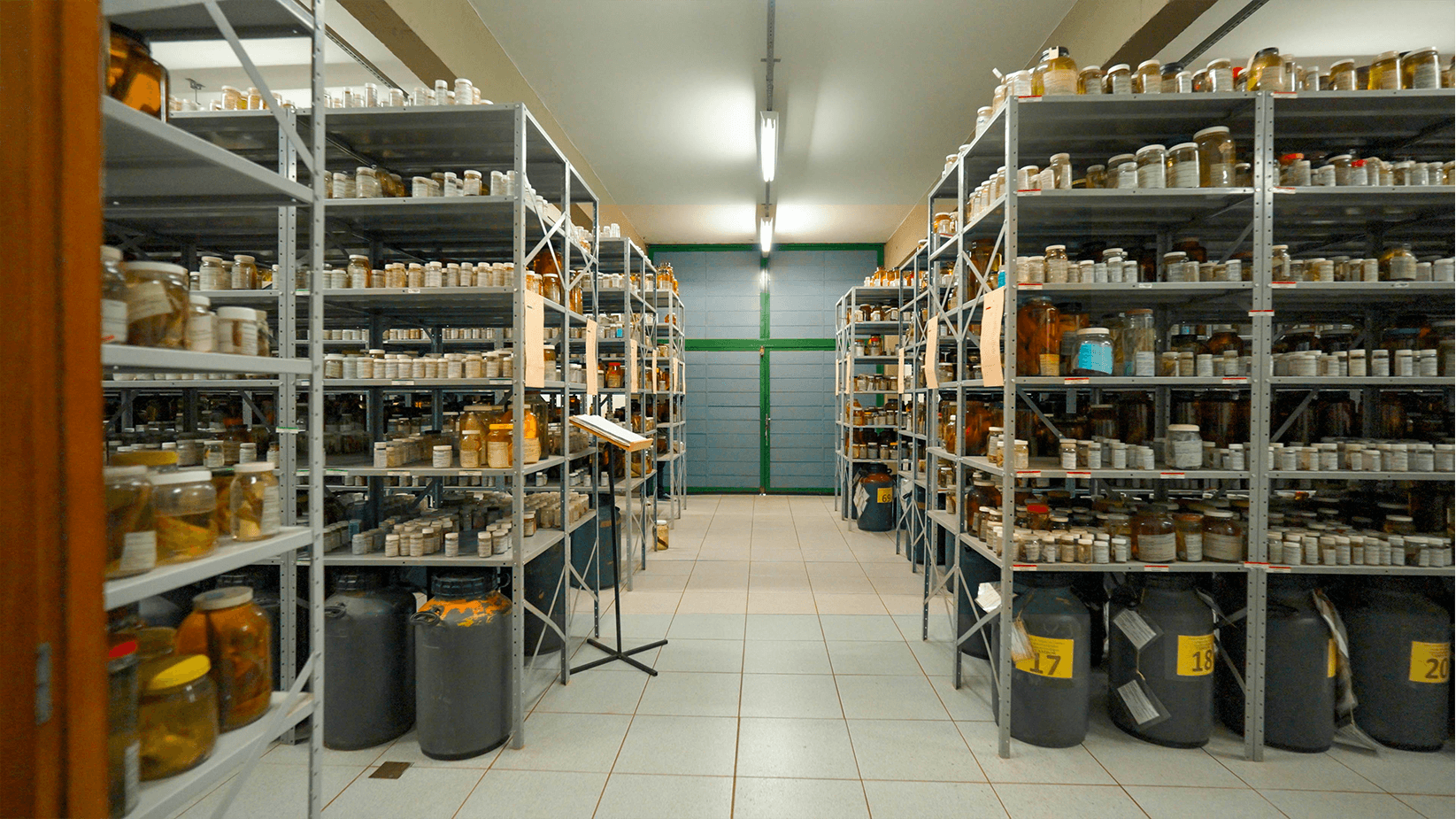
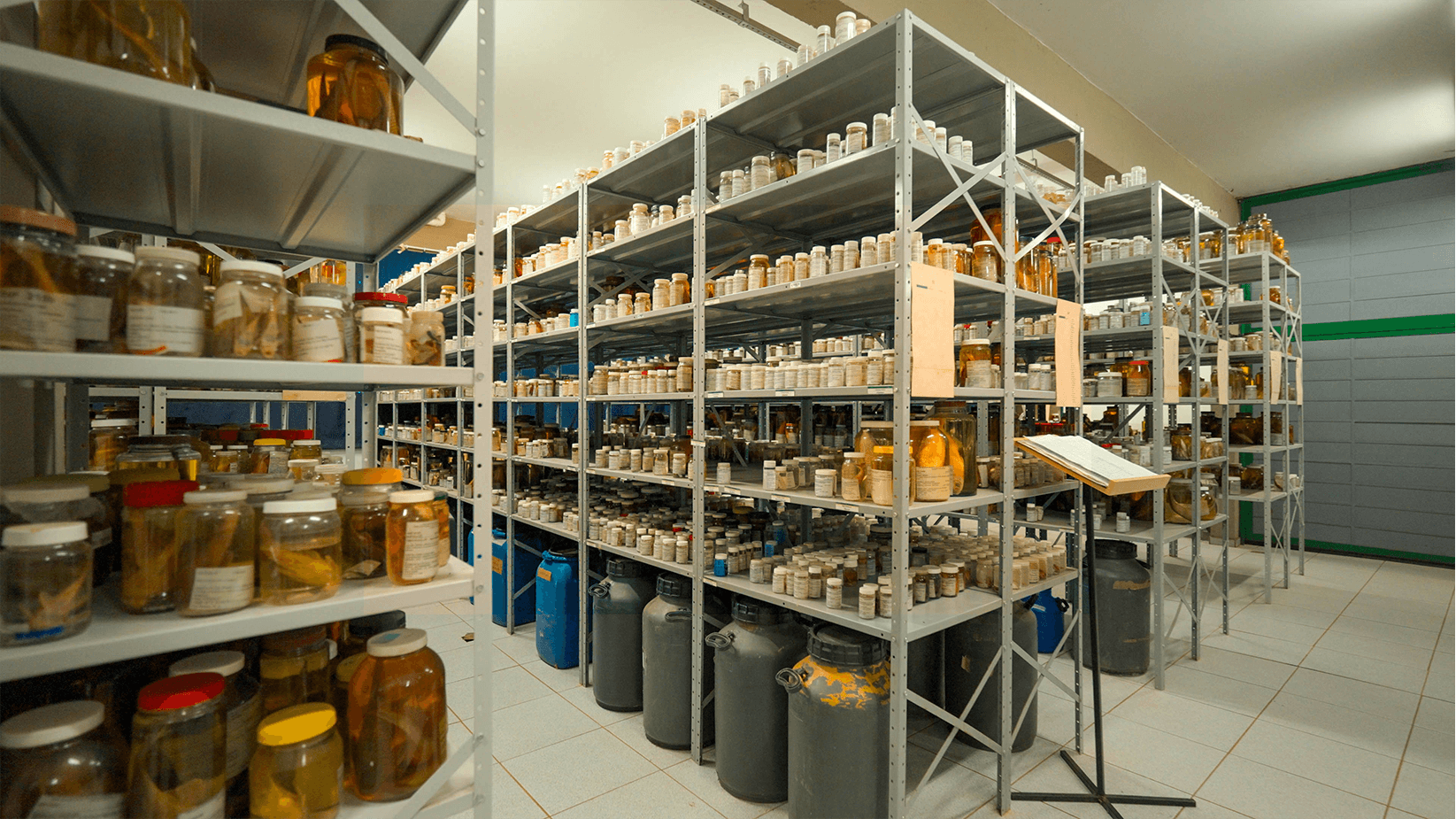
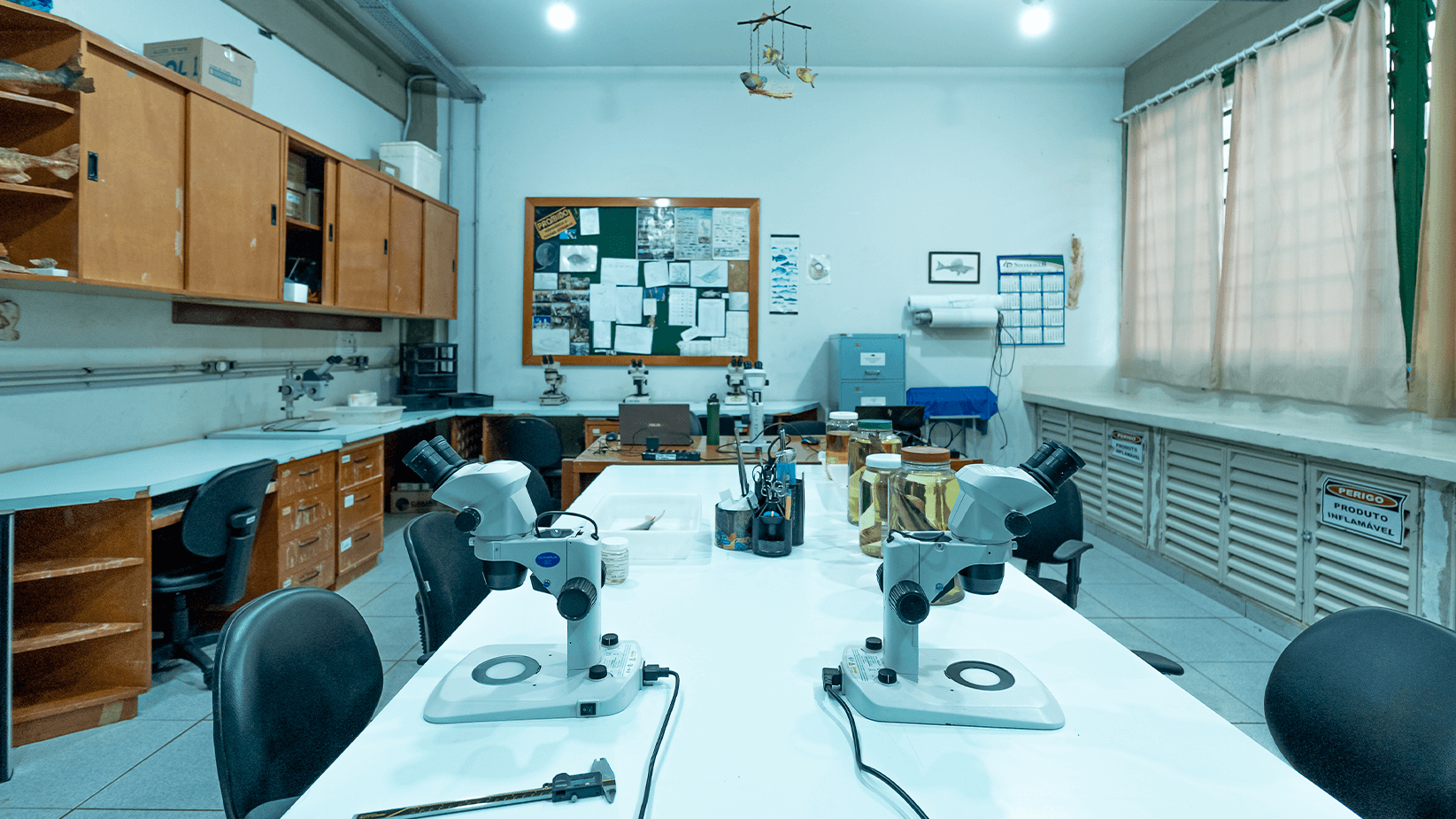
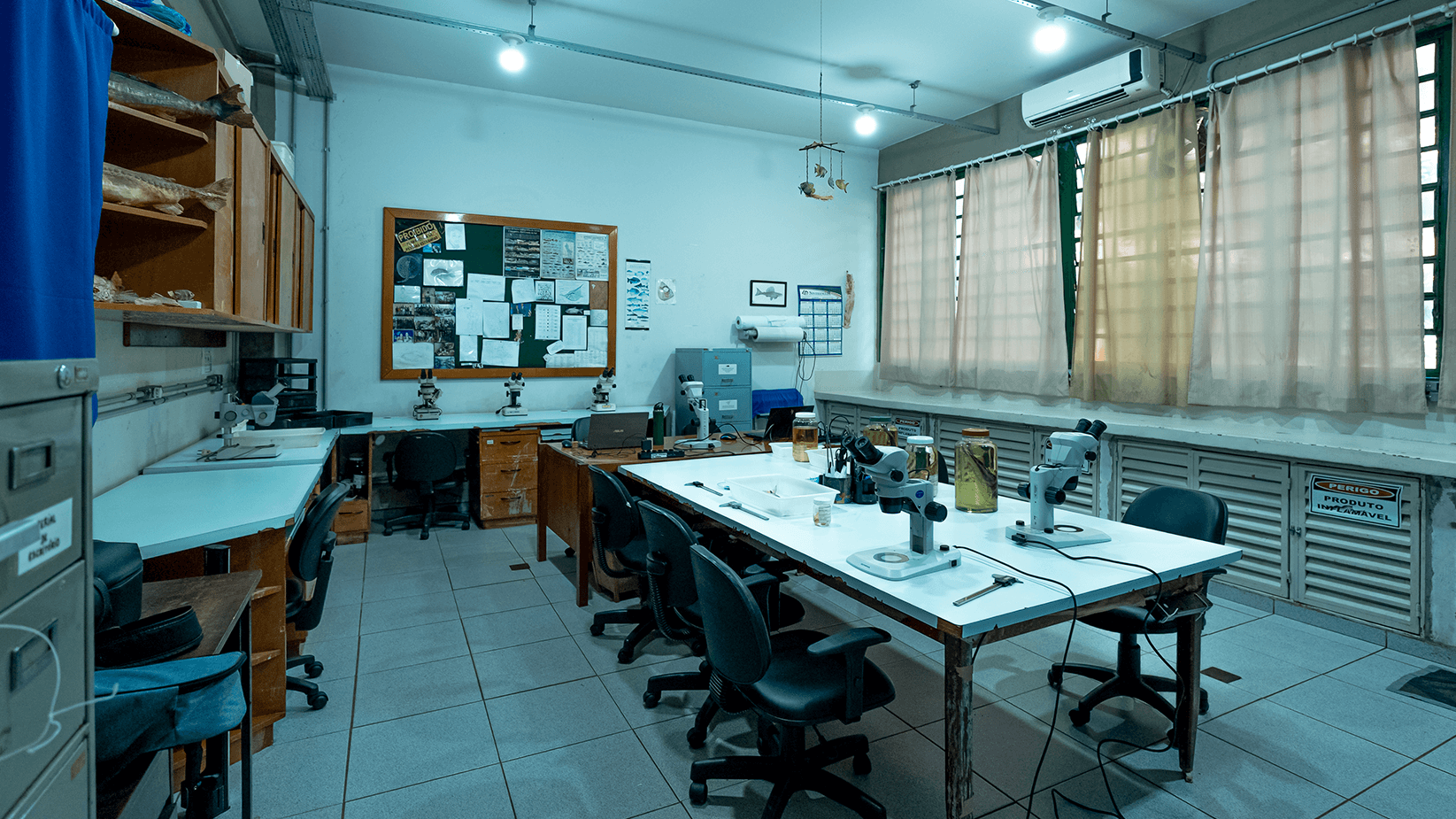
At Nupélia’s Ichthyological Collection Laboratory, species are identified and the fish lots that make up the Collection are cataloged. Researchers and undergraduate and graduate students affiliated with the Collection also work to recognize and describe fish species new to science. More than 80 new species have already been described here. The type material used for these descriptions, as well as for many others described by researchers from other scientific institutions, is deposited in a room specially designated for this purpose.
Another frequent activity of the laboratory staff is the identification of material collected in Nupélia’s research projects, as well as by researchers and students conducting individual projects, monographs, dissertations, or theses involving fish species. Parts of specimens used in studies that involve dissection or found in the stomach contents of piscivorous species are also identified here.
To expand the scope of the Collection, scientific collection expeditions are also conducted by the laboratory researchers. The identification and deposition of voucher material from research projects by researchers from other institutions have significantly increased the number of species and localities represented in the Collection.
Nupélia Herbarium (HNUP)
The Nupélia Herbarium (HNUP) encompasses specimens of Riparian Vegetation, Periphytic Algae, and Phytoplankton, mainly from collections conducted in the upper Paraná River. It is registered with the Brazilian Herbarium Network and in the Index Herbariorum.
Its main objective is to advance knowledge of riparian flora, including surveys, taxonomic identifications, and dissemination both to the scientific community and the general public, as well as to provide support for ecological studies, biodiversity conservation, the restoration of degraded areas, and sustainable development, particularly in the riparian zones of the upper Paraná River Floodplain.
It serves as the database for numerous theses and dissertations related to floristic and phytosociological surveys, as well as the taxonomy of phanerogams and algae.
Dr. Mariza Barion Romagnolo (Researcher)
Carlos Eduardo Bento Fernandes (Technician)
Undergraduate and Graduate Students (PEA/PGB/UEM)
HNUP has a collection of approximately 16,000 records, including more than 1,000 species of vascular plants, 938 spp. of periphytic algae, as well as phytoplankton. Functionally and structurally, it is affiliated with Nupélia. It is currently being digitized and made available online through the Paraná Biological Collections Network (Taxonline) and speciesLink.
It is open for consultation by specialists by appointment with the curatorship.